
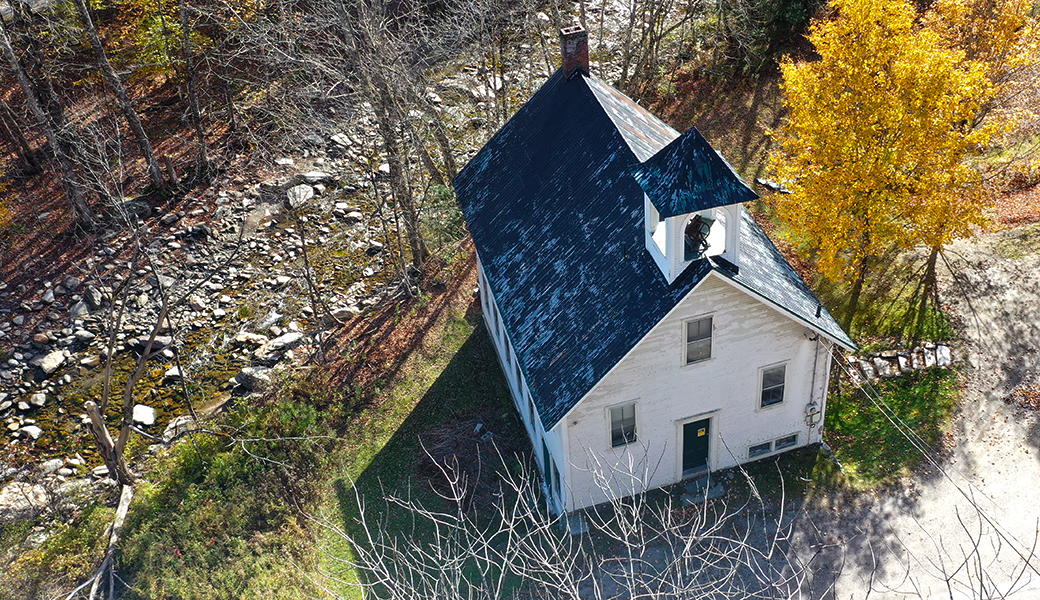
Purchasing the Number Nine Schoolhouse was the beginning. Restoring it is the work.
The Purchase Was the Beginning
Friends of the Number Nine Schoolhouse closed on the 1903 schoolhouse at 831 Mill Brook Road in Fayston on August 27, 2025. The Burley family, which had owned the property for six decades, sold at half the appraised value and extended a five-year mortgage to make the purchase possible. Without that, there was no deal.
The purchase settled one question and opened a dozen others. FNNS now holds the building. The harder work is what happens next.
A Five-Year Plan
FNNS is working toward a 2030 restoration target. The scope covers structural and mechanical work, renovation of the upper-floor classroom, zoning approvals, and sustained fundraising through donations and grants. Each of those depends on the others. The mechanical work requires funds. The zoning approval determines what the building can legally do. The upper classroom renovation can’t be finished until both are resolved.
The sequence matters as much as the scope.
Zoning Comes First
The Number Nine Schoolhouse currently operates under zoning restrictions that limit what can take place inside the building. Before FNNS can open the upper classroom for community use, it needs a change-of-use permit from the town. The Buildings & Grounds Committee is developing the site and development plan required to support that application.
This work is underway now. Contractors, permit filings, historic preservation guidelines, and careful coordination with local officials. Community use of the upper classroom is planned for 2027, once the permit work is complete and the necessary building improvements are in place.
What the Building Work Involves
Alongside the permit process, FNNS is improving the building’s mechanical systems and preparing the upper-floor classroom for eventual use. Some of this work is visible: the June 2026 volunteer work party cleared the attic and began prepping the upper classroom. Much of it is not visible at all: permits, engineering assessments, coordination with preservation specialists.
The Preservation Trust of Vermont has supported FNNS from the start, including guidance, fiscal sponsorship, and funding for the initial building assessment. That relationship matters. Restoration of a building on the Vermont State Register of Historic Places follows specific guidelines, and having experienced advisors matters.
How the Funding Works
Restoring a historic building requires sustained funding over several years. FNNS raises that through a combination of individual donations, foundation grants, and matching grant opportunities, all directed to the Number Nine Schoolhouse Preservation and Restoration Fund. The fund supports two things: paying down the mortgage the Burley family extended, and financing the restoration work itself.
Individual donors play a specific role in this model. Many historic preservation grants require a local match before they release funds. A gift from a neighbor doesn’t just contribute to the project directly; it can unlock grant dollars that would otherwise be inaccessible. FNNS’s ability to compete for grants depends on building a broad base of local support.
Long-term, the building will support itself through a mix of revenue: leases with nonprofit tenants, rentals of the upper classroom for events and programs, and ongoing donor and grant support. The Northern Forest Canoe Trail and the Catamount Trail Association currently occupy the lower level. The upper classroom will add a third revenue stream once it opens.
What Comes Next
The permit application. The mechanical work. The fundraising. These are the near-term priorities, running in parallel through 2026 and into 2027. Progress on all three will determine the pace of everything that follows.
The decisions made and the funds raised in the next few years will shape what the Number Nine Schoolhouse can become for the next generation. That’s not a distant abstraction. It’s the work in front of us right now.